Source CE Certified Pie Crust Machine for Bread, Dough, and Food Processing
Compare 30 CE certified pie crust machines from verified Chinese suppliers. These electric roasting units feature stainless steel bodies, automatic operation, and ISO certifications for bread, dough, and breadcrumb production lines.
Key considerations
Products List


Low Price Quality Custard Tartlet Machine/Pastry Pie Crust Making Machine
$15000.00 - $30000.00
MOQ: 1 Sets

Customzied Molds Pie Press Machine for Sale Tart Crust Making Machine
$8000.00 - $15000.00
MOQ: 1 Sets


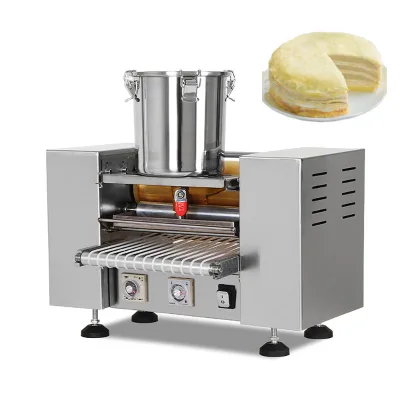
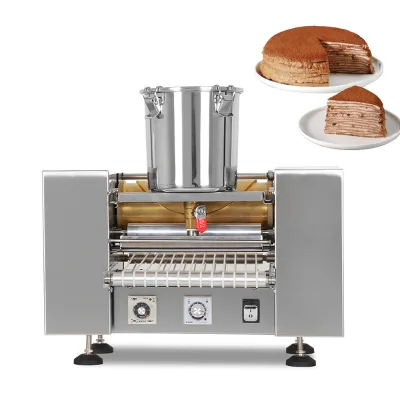

Pneumatic Naan Bread Crust Making Pressing Machine Pie Forming Machine
$1350.00 - $2100.00
MOQ: 1 Sets


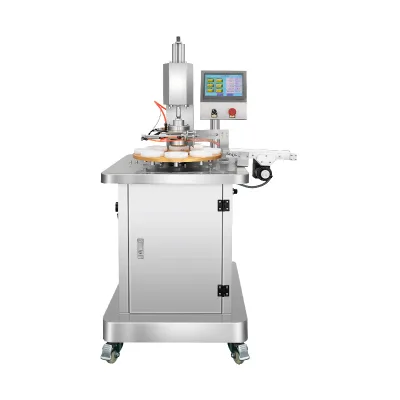
Pineapple Pie Forming Pie Crust Making Machine Pie Crust Making Machine
$6654.31 - $7156.45
MOQ: 1 pieces


Comprehensive Sourcing Guide
Strategic Sourcing Guide for CE Certified Pie Crust Machinery
Understanding the Technical Landscape of Industrial Pie Production
When sourcing industrial equipment for pie crust manufacturing, buyers must first distinguish between general baking equipment and specialized machinery designed for specific dough handling and thermal processing. The core keyword "pie crust machine" often encompasses a range of devices, from automatic dough dividers to high-speed roasting and forming units. Based on current market observations, the industry frequently utilizes machines categorized as "Roasting Machines" or "Industry Pie Making Machines" that integrate advanced control systems. These units are typically designed for the food processing industry, specifically targeting applications involving bread and dough.
A critical technical observation for buyers is the prevalence of automatic grading in modern equipment. High-volume production lines often feature machines with an "Automatic" grade, which implies a high degree of automation in the forming, filling, and baking processes. The control systems powering these units are sophisticated, often utilizing industrial-grade platforms such as Fanuc, Siemens, or GSK. These systems are essential for maintaining consistency in product quality, particularly when managing complex timing sequences. The presence of a timing device is a standard feature in these units, allowing operators to precisely control the duration of thermal processing.
Power requirements are a significant factor in the technical evaluation of these machines. Observed specifications indicate that electric power sources are the norm, with voltage ratings commonly set at 380V to accommodate industrial three-phase power grids. Power consumption can vary significantly based on the machine's capacity and thermal efficiency; some large-scale units are rated at 45kW, reflecting the energy demands of high-speed thermal processing. Buyers should verify the specific power rating against their facility's electrical infrastructure to ensure compatibility. Furthermore, the physical dimensions of these machines are substantial. Observed dimensions for large industrial units can reach lengths of 26,000mm, widths of 2,000mm, and heights of 2,300mm, necessitating careful planning for factory floor layout and logistics.
Compliance Verification and Certification Standards
In the context of international trade and food safety, the "CE" certification is a primary compliance marker for machinery entering the European market and many other regions. When evaluating a "CE Certified Pie Crust Machine," buyers must look for specific documentation that validates this status. The market data indicates that certifications often appear in various formats, such as "CE," "ISO," "ISO9001," "TUV," or combined designations like "ISOCE." It is crucial for procurement teams to understand that the presence of a CE mark on a product listing does not automatically guarantee that every component of the machine meets the latest European safety directives without further verification.
The "ISO" certification, particularly ISO9001, is frequently cited alongside CE marks. This standard relates to quality management systems, suggesting that the manufacturer has established processes for consistent quality control. However, buyers should treat these certifications as observations of the supplier's current status rather than absolute guarantees of product performance. The "TUV" certification, when present, often indicates third-party testing of specific safety or performance aspects. To ensure compliance, buyers must request the actual certification documents and verify the scope of coverage. The documentation should explicitly state that the specific model of the pie crust machine falls under the scope of the CE declaration of conformity.
Additionally, the material composition of the machine is a critical compliance factor. Food-grade safety standards require that all surfaces coming into contact with the product be made of non-toxic, corrosion-resistant materials. The observed market standard for these machines is "SS304" or "Food Grade Stainless Steel." This material choice is essential for preventing contamination and ensuring the machine can withstand rigorous cleaning protocols required in food processing environments. Buyers should verify that the "Body Material" and internal components are indeed made of the specified stainless steel grade, as this is a non-negotiable requirement for food safety compliance in most jurisdictions.
Cost Drivers and Pricing Dynamics in Industrial Machinery
The pricing landscape for industrial pie crust machines is characterized by a wide variance, reflecting differences in automation levels, capacity, and customization. Observed price ranges in the current market span from approximately $890 to $1,000,000. This broad spectrum indicates that the cost is heavily influenced by the specific configuration of the machine. Entry-level or smaller units may fall at the lower end of this range, while fully automated, high-capacity lines with advanced control systems and custom engineering can reach the upper limits.
Several key factors drive these costs. First, the "Customization" level is a primary cost driver. Many suppliers offer "Customized" or "Customizable" standards, allowing buyers to tailor the machine to specific production needs. Customization can involve changes to dimensions, control system integration, or the addition of specific features like video outgoing inspection systems. These bespoke requirements naturally increase the manufacturing cost compared to standard off-the-shelf models. Second, the capacity of the machine, often measured in kilograms per hour (e.g., 100-200kg/H), directly impacts the price. Higher throughput requires more robust motors, larger heating elements, and more complex mechanical linkages, all of which contribute to a higher price point.
The "Key Selling Points" of the machine also influence its valuation. Features such as "Low Energy High Speed" operation suggest advanced engineering that reduces long-term operational costs but may command a higher initial purchase price. The inclusion of core components like high-performance motors and the integration of complex control systems (Fanuc, Siemens, GSK) add significant value. Furthermore, the "Condition" of the machine is a factor; while the market is dominated by "New" units, the availability of refurbished or used equipment can affect the overall market price dynamics, though the provided data primarily reflects new industrial units. Buyers should expect that a machine priced at the lower end of the spectrum may have lower capacity or fewer automation features, whereas a unit at the higher end likely offers a complete, turnkey solution with extensive customization.
Typical Applications and Operational Capabilities
Industrial pie crust machines are designed to serve a specific niche within the broader food processing industry. The primary application observed is for the production of bread and dough-based products, with a specific focus on pie crusts. These machines are not merely ovens; they are integrated systems capable of handling the entire process from dough preparation to the final thermal processing stage. The "Usage" field in product specifications frequently lists "Bread" and "Dough," indicating the versatility of these units in handling various types of dough formulations.
The operational capabilities of these machines are defined by their ability to handle high-volume production efficiently. With capacities ranging from 100 to 200kg per hour, these units are suitable for medium to large-scale commercial bakeries and food manufacturing plants. The "Process" involved is typically "Thermal Processing," which involves the controlled application of heat to cook the dough and form the crust. The integration of a "Timing Device" ensures that the thermal cycle is consistent, which is critical for achieving the desired texture and color of the pie crust.
The physical design of the machine also supports its application. The "Working Height" of 850mm is a standard ergonomic dimension that allows operators to interact with the machine comfortably while standing. The "Color" of the machine, typically silver due to the stainless steel construction, is not just aesthetic but functional, as it reflects heat and maintains a clean appearance in the production environment. Some advanced models include features like "Video Outgoing-Ins," which allows for visual inspection of the product as it exits the machine, ensuring that only products meeting quality standards proceed to packaging. This feature is particularly valuable in high-speed production lines where manual inspection is impractical.
Supplier Evaluation and Geographic Considerations
When evaluating potential suppliers for pie crust machinery, geographic origin is a significant factor. The observed market data indicates that a substantial portion of these machines originates from China, with specific manufacturing hubs in Beijing, Jinan, and other regions. The "prod_origin" field often lists "Beijing, China" or "Jinan, China," suggesting a concentration of manufacturing expertise in these areas. Buyers should consider the logistical implications of sourcing from these locations, including shipping costs and lead times.
Lead times are another critical consideration in supplier evaluation. The observed "Delivery Time" for these machines is typically "90 Days After Deposit." This timeframe reflects the complexity of manufacturing custom industrial equipment, which often involves a build-to-order process rather than immediate shipment from stock. Buyers must factor this lead time into their production planning to avoid delays in their own operations. The "prod_packing" method, which can vary between "Crate," "Wooden Packing," or "Wooden Box," is also an important aspect of the supplier's logistics capability. Proper packaging is essential to protect the machine during international transit, especially given the large dimensions and weight of these units, which can reach up to 3000kg.
Supplier reliability can be assessed by reviewing their certification history and the consistency of their product specifications. A supplier that consistently provides machines with "ISO" and "CE" certifications, along with clear documentation of material grades (SS304), is likely to be more reliable. Buyers should also evaluate the supplier's ability to provide after-sales support, including technical assistance and spare parts availability. The presence of "Automatic Grade" machines suggests that the supplier has the technical capability to support complex automation systems, which is a positive indicator of their overall competence.
Quality Control and Long-Term Procurement Strategy
Ensuring the quality of the pie crust machine is paramount for long-term operational success. Quality control should begin at the design stage, where the choice of materials and the integration of control systems are critical. The use of "Food Grade Stainless Steel" for the body and internal components is a non-negotiable standard for food safety. Buyers must verify that the "Body Material" is indeed SS304 and that it meets the necessary corrosion resistance and hygiene standards. The "Standard" of the machine, often listed as "Customized" or "Customizable," should be clearly defined in the purchase agreement to ensure that the final product meets the buyer's specific requirements.
Long-term procurement considerations involve more than just the initial purchase price. Buyers should evaluate the total cost of ownership, which includes energy consumption, maintenance costs, and the potential for downtime. Machines with "Low Energy High Speed" features may offer significant savings over time, despite a higher initial cost. The "Core Components," such as the motor, are critical to the machine's longevity. Buyers should inquire about the brand and quality of these components, as high-quality motors are less prone to failure and require less frequent maintenance.
Additionally, the "Condition" of the machine upon delivery should be strictly verified. All units observed in the market are listed as "New," but buyers should ensure that the machine is tested and commissioned before final acceptance. The "Video Outgoing-Ins" feature can be a valuable tool for this process, allowing for a visual inspection of the machine's output before it is fully integrated into the production line. Finally, buyers should consider the scalability of the machine. As production needs grow, the ability to upgrade or expand the system without replacing the entire unit can provide significant long-term value. By focusing on these quality control and strategic factors, buyers can ensure a successful procurement experience that supports their production goals for years to come.
FAQs
What certifications do these machines typically hold?
These machines typically hold ISO, CE, and TUV certifications. Some listings also specify ISO9001 or combined ISOCE marks to indicate compliance with quality management and safety standards for the food processing industry.
What is the standard delivery time for orders?
The standard delivery time is 90 days after the deposit is received. This lead time accounts for the manufacturing process, which often involves customization and rigorous quality checks before shipping.
Which control systems are integrated into the machines?
The machines integrate industrial-grade control systems such as Fanuc, Siemens, or GSK. These systems enable precise automation and timing control essential for consistent bread and dough processing operations.
What material is used for the machine body?
The machine body is constructed from SS304 or food-grade stainless steel. This material ensures corrosion resistance and meets hygiene requirements for direct contact with food products like pie crusts and bread.
Can the machine be customized for specific needs?
Yes, the machine is available with customized standards and configurations. Buyers can request specific dimensions, power ratings, or packaging options like wooden crates to suit their facility layout and production capacity.
What is the typical power consumption of these units?
Typical power consumption for these units is around 45kW. This electric power requirement supports high-speed thermal processing and automatic operations, necessitating a compatible 380V industrial power supply.